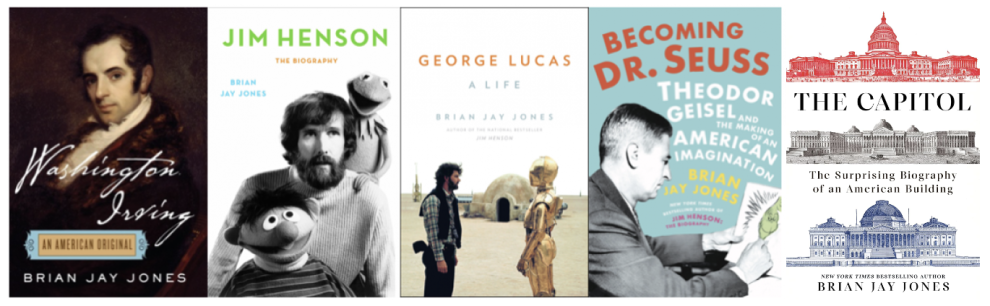

I was cleaning out my inbox the other day and found a message I received months ago that I’d responded to and filed away. It was from someone in a thesis program who was interested in biography, and asking if I had any hints or tips of the trade I could offer to aspiring biographers. I wrote back with a bit of casual advice aimed at biographers, but I thought it might be helpful for any writer, regardless of genre. Here’s my (lightly edited) response:
Thanks for writing.
My first bit of advice is: read read read read read. Not just biographies, but lots and lots of stuff, anything and everything. As Stephen King says: “If you don’t have the time to read, you don’t have the time (or the tools) to write. Simple as that.” And it’s true. Listening to the voices of others, believe it or not, will help you find your own.
On the flip side: write write write write. Writing is a muscle that has to be exercised. There’s a moment in a great Eagles documentary where Glenn Frey talks about writing songs, and telling his mentor Bob Seger that his songs were bad. And Seger essentially tells him, “yeah, they’re gonna be bad. At first. Then you’ll write one good one. Then another. And eventually you’ll be a good songwriter.”
Writing is like that. Whether it’s a blog or a private journal, write and find your voice–and once you find that voice, keep singing with it. I still learn how to be a better writer just from the act of sitting down and writing. And now I go back and look at my first book and think, yikes, I wish I could rewrite that one, because all I can see is how I would do it now. Keep learning by doing.
Next: read lots of biographies. You’ll figure out what you like as a reader and what you don’t like as a reader, which will inform how you work as a writer and how you want to interact with your readers as a writer of non-fiction. Me, for example, I don’t like it when the author steps into the narrative and you suddenly become aware of the biographer. But that’s just me. Plenty of great biographers make themselves a presence in their work, and that’s totally okay. But it’s something I decided early on that, nope, I’m not gonna do that. But that’s me. You get to do you.
If you’re writing a thesis, you’ve already got the research part down–but know that that’s usually the fun part of writing bio/non-fiction. The research is always fun; it’s the writing–at least for me–that’s hard. And writing those very first words on the very first page can be particularly hard. Keep at it.
There’s really no big secret to writing except (as so many creatives will tell you) “ass in chair.” Sitting down to write sucks some days. Washington Irving loved preparing to write more than he loved the actual writing. George Lucas called writing “bleeding on the page.” Dr. Seuss’ wife once said, “He’s miserable when he’s writing, and even more miserable when he’s not.” All true.
And as I always tell other writers, “never be afraid to suck with the door shut.” It’s not an original bit of advice by any stretch, but it remains true. Your first draft doesn’t need to be perfect; sometimes just getting something down on the page is all it takes to get everything moving. You can polish later. That’s what rewrites are for.
Finally, I highly recommend joining local writer groups and organizations that support writers of your genre–in this case, there’s Biographers International Organization (biographersinternational.org) which has a great annual conference and is a terrific place to meet and commensurate with fellow biographers at all levels in their careers. You might be sitting at lunch talking to a writer about, say, Edgar Allan Poe and then realize the next day it was SOMEONE WHO WON THE PULITZER PRIZE FOR BIOGRAPHY 30 YEARS AGO.
Now go be brilliant.


