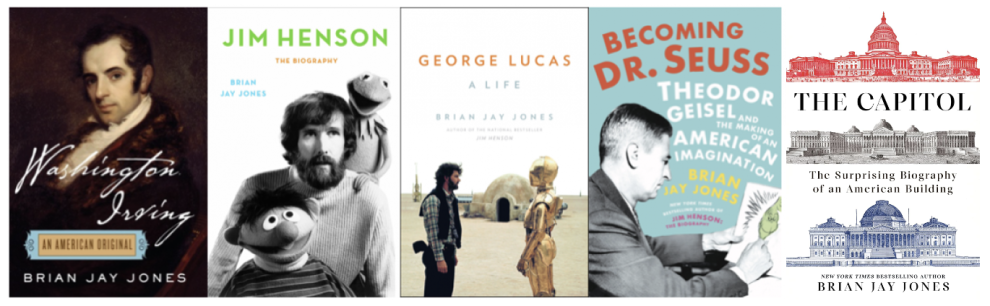
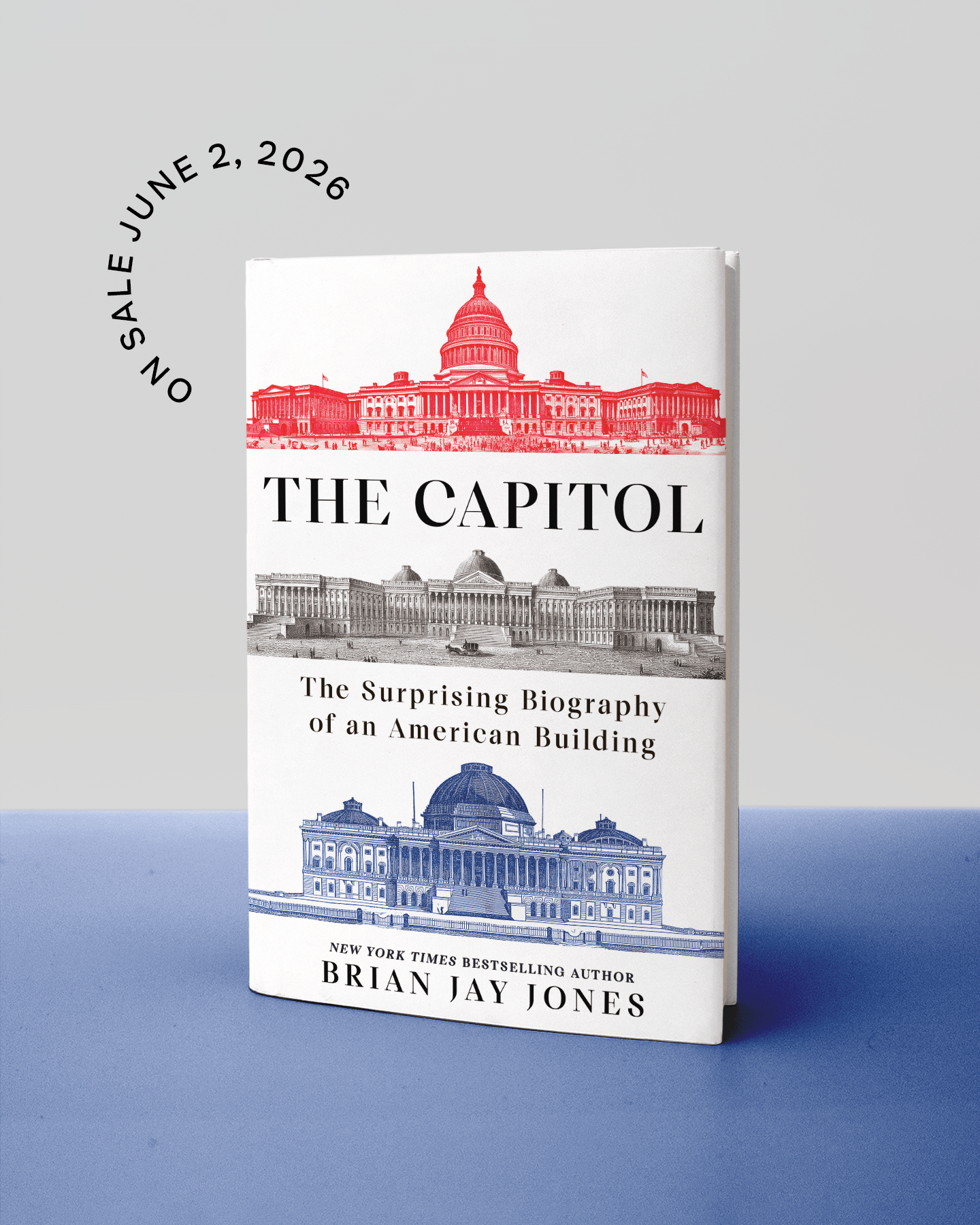
And hello again. It’s been a while since I provided any kind of update of the Current Project, but there’s finally some news to tell you. As of Friday afternoon, this happened:

Yeah, it’s been a long time coming, I know.
I initially pitched the idea for Capitol: An American Biography to my agent in the months after January 6, 2021 for one simple reason: the building is really important to me, and January 6 hit me hard. As I think I’ve talked about here before, I was a staffer in the U.S. Senate for nearly ten years, spending plenty of time in the Capitol building–and this was in the years before 9/11, when access to the building was much looser, especially for staff, than it has been over the last 25 years.
Nearly every evening, I rode my bike from the Capitol to the Lincoln Memorial and back again–always stopping on the way to get a drink at the drinking fountains in the grotto on the Capitol’s northwest lawn, home to the coldest drinking fountains in DC. In the days when you could still do so, I’d ride along the western terrace and just look out over the Mall. I was always trying not to take that view for granted.
As a Congressional staffer, your ID card could get you nearly anywhere in the building–and I’d always make the most of it, giving myself my own guided tour of the building, ducking under ropes to access areas tourists couldn’t go. I loved how I could feel the wear in the marble steps as I walked up them, and I would almost always stop in the Old Senate Chamber and try to imagine what it was like to sit in the chamber and listen to Daniel Webster–or imagine the chaos of the day when Senator Charles Sumner was severely caned by Congressman Preston Brooks. Or I’d stand in the Old House Chamber, now Statuary Hall, and try to picture the grandeur of the place as it was when painted by artist Samuel F.B. Morse (yes, that Samuel Morse) in 1822

Some weekends, if the Congress was in session and I didn’t have a bill to worry about it, I’d walk up to the Capitol from the house I rented with two other Senate staffers at 6th and C Street NE. I’d walk up those gigantic stairs at the East Front, head for the north wing, and then sit in the staff gallery above the floor and just watch. Working in the Senate was my job, yeah, but I never stopped appreciating how special it was to work in, and just be in, that building.
And any time a bill you were staffing was coming up for consideration–in my case, that meant it probably came out of the Labor & Human Resources Committee (now Health, Education, Labor & Pensions, a name change that came along right about the time I was leaving the Hill)–well, that meant you got to head over to the Senate floor to provide any needed staffing. As a Congressional staffer, you lived for those moments–or, at least, I know *I* did.
I loved everything about going to the floor: the subway ride over, taking the elevators up from the subway level to the main level, checking in with the floor clerk, entering through the cloakroom, and then . . . almost like curtains parting to reveal a gigantic theater set, you would push open the doors of the cloakroom and find yourself on the Senate floor, all dressed in blue and mahogany and marble. The space has been modernized and updated over the last 150 years or so, but it’s still the same room they’ve been using since 1859. This is a room where a lot of stuff has happened.

As a staffer, you would then generally proceed to take a seat on the benches behind the railings lining the outer edge of the room–that’s where staff sits when they’re not assisting their members. You had to speak to each other in hushed tones–anything louder than a stage whisper would get you a quick admonishment from a floor staffer we all called The Floor Nazi. And if you needed to make a call back to your office–at least in the 1990s era when I was there–you had to go back into the cloakroom and slide inside one of the phone booths that had a folding door you pulled shut behind you. (Six times out of ten, as I entered the phone booth, I would say, with my voice dropping an octave over the course of the sentence, “This . . . looks like a job for . . . Superman!” The clerks had no idea what to make of me.)
And when it was finally time to staff your boss . . . you’d get that little wave and you’d tuck your fat accordion folder stuffed with papers under your arm, walk slowly down the center aisle, then cross over to take your seat–and your seat was a chair which would be brought over to you by a Senate page (my first time on the floor, I sat down in a member’s chair, not knowing how it worked, and HOO BOY that was not good). And you’d sit there with your notebook in your lap and a pen in your hand and your accordion folder at your feet and try not to make eye contact with the C-SPAN cameras, or arch your eyebrows in response to a comment, or even scratch an itchy nose–you didn’t want to do anything to call attention to yourself. Every once in a while, you might nod your head if your boss looked back at you to make sure a fact was correct, or hand up a hastily-scribbled note with a relevant fact or point you wanted to be made. Your job is to be indispensable, but invisible.
So, as you can imagine, the events of that January 6 really, REALLY affected me. I was sitting at my desk that day, watching things unspool on the television in my home office, and I remember standing up at one point and screaming “YOU HAVE NO RIGHT!” when someone plunked down in the Vice President’s chair in the Senate chamber. My phone rang constantly with calls from one old Senate colleague after another–and every call started the same way: Oh my god can you believe this? And no, I couldn’t. It was too surreal. I only knew I felt awful. I felt awful for me. I felt awful for us as a nation. And I felt terrible for that building.
It sounds funny, I know, but after that day, I wanted to do something, to say something, that might do right by that building. In 2021, it had been two years since my last book (Becoming Dr. Seuss, still available at fine booksellers everywhere) and, ever since hunkering down for COVID (remember those days?), I had been looking for another subject to write about. In the Spring of 2021, I started a conversation with my agent about taking on the Capitol as a possible subject–but I was nervous about it, because, hey, I’m a biographer and this sort of thing feels more like history.
“Then treat it like a biography,” my agent said. “Think of the building as your main character and work from there.”

Whoa. I hadn’t really thought of it that way. But as I started to put the proposal together around June–which entailed several months of a lot of reading, a lot of research, and a lot of poring through articles on newspapers.com–I was pretty sure I knew how this could work. By the first week of August 2021, I had a proposal I was happy enough with to let my agent take it to my amazing editor–my same editor for George Lucas and Becoming Dr. Seuss–who quickly said yes, let’s do it. And then . . . I had a horrific case of writer’s block for nearly two years.
Fortunately, one of the nice things about writing non-fiction is that you can keep researching even when you’re not writing–research is actually the fun part–so I just kept researching and reading and looking stuff up, even as I continued to not get a word written. Eventually, the words started coming, albeit slowly — but thanks to the prodding and enthusiasm of another fantastic and very patient editor (I’ll tell that story at another time, but it’s amazing) as well as the support and cheerleading of friends and family . . . well, here we are, three years and nine months after a yes to the proposal with the completed first draft.
Now it’s in my editor’s hands, and together we’re shooting for a publication date of June 2026–and I so appreciated all of you who kept kindly asking when is the book coming out? when all I could say was: soon because oof, I still had no idea when I was gonna finish.
We’re on a fast enough track, too, that I should soon have a cover to show you, along with a title change. Yeah, Capitol: A Biography was the title I pitched it under, and the title that kept me in the proper mindset while writing–but now it’s having its title changed and I know what it is and I love it. But that’ll all have to wait.
For now, I wanted to let you know that everything is moving along, and I appreciate you patiently waiting me out these past few years. Not much longer, okay? Really.
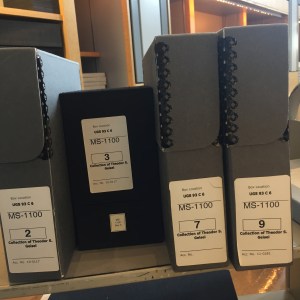 Some were full of press clippings — and believe me, Dr. Seuss generated a LOT of press in his lifetime — while others contained correspondence or photos or even his high school and college transcripts. Another contained a much worked-over mock-up of The 500 Hats of Bartholomew Cubbins, with Ted’s careful notes about color use, margin heights, even changes to the copyright page. There were back issues of Judge magazine, where Ted submitted cartoons back in the late 1920s, pages of art drawn for Dartmouth fundraisers, and a large envelope — think four feet long by two feet wide — containing advertising work and a large black and white drawing of a Seussian Noah’s Ark on white cardboard.


 I spent several days in the Springfield City Library, rolling one wheel of microfiche after another onto the viewer as I read through issues of the The Springfield Republican and The Springfield Union from the early 1900s. While inconvenient compared to modern online archives, there’s still something wonderful about the old-school experience of working with microfiche, from sorting through the huge drawers of film boxes (you can see them in the background in the photo at left) to that satisfying thwack-thwack-thwack sound the film makes as it rapidly spools back onto the feed reel. The only real drawback — and this is purely personal — is that staring at the screen for hours on end as the film goes whizzing by in blur always makes me feel slightly seasick. Agh.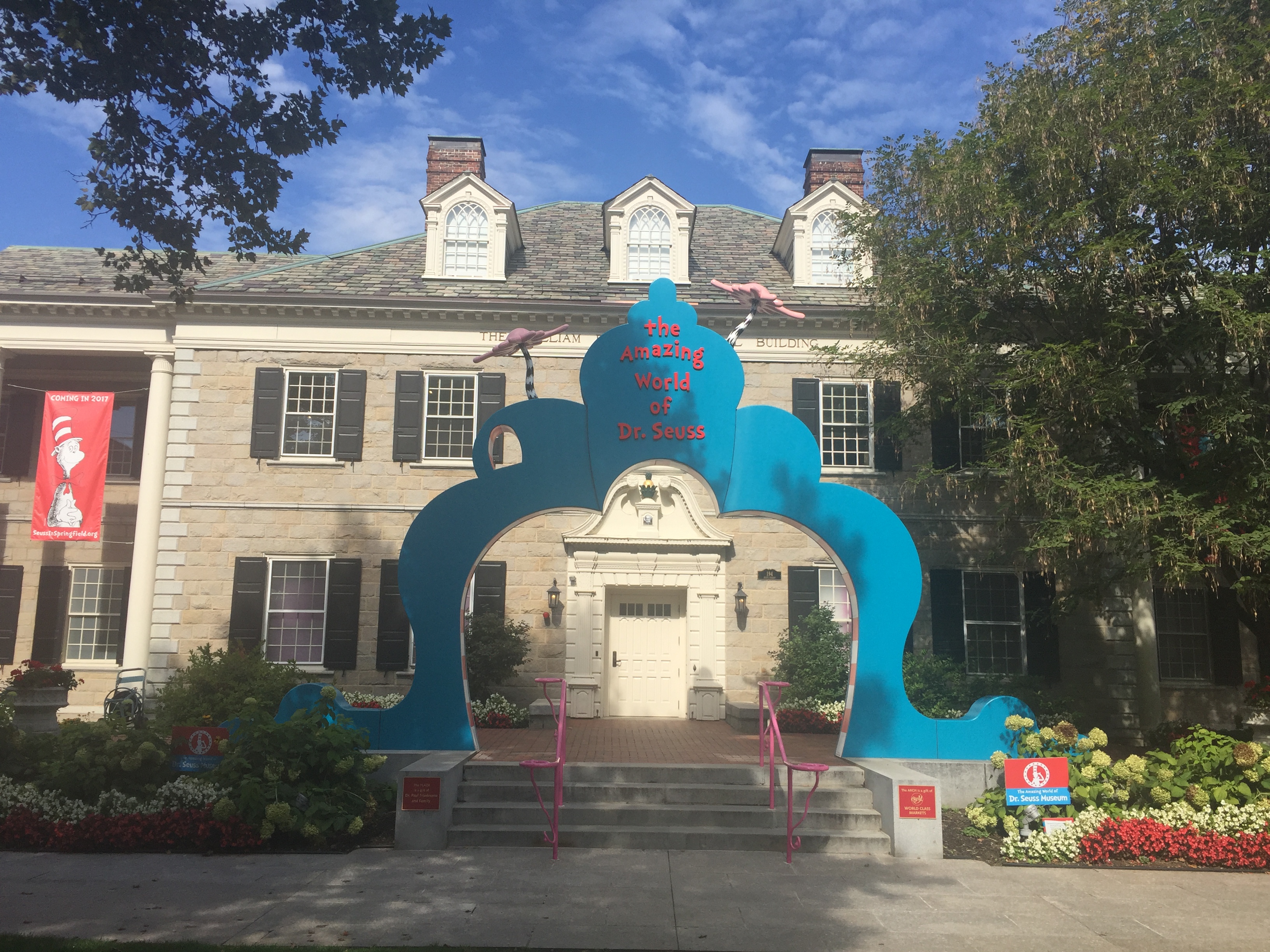
 I also had the pleasure of talking with museum administrators and staff, who helpfully arranged for me to walk through Ted’s childhood home (shown at right), still standing on Fairfield (not Mulberry) Street, and still looking — at least structurally — much as it did when Ted and his family lived there more than a generation ago.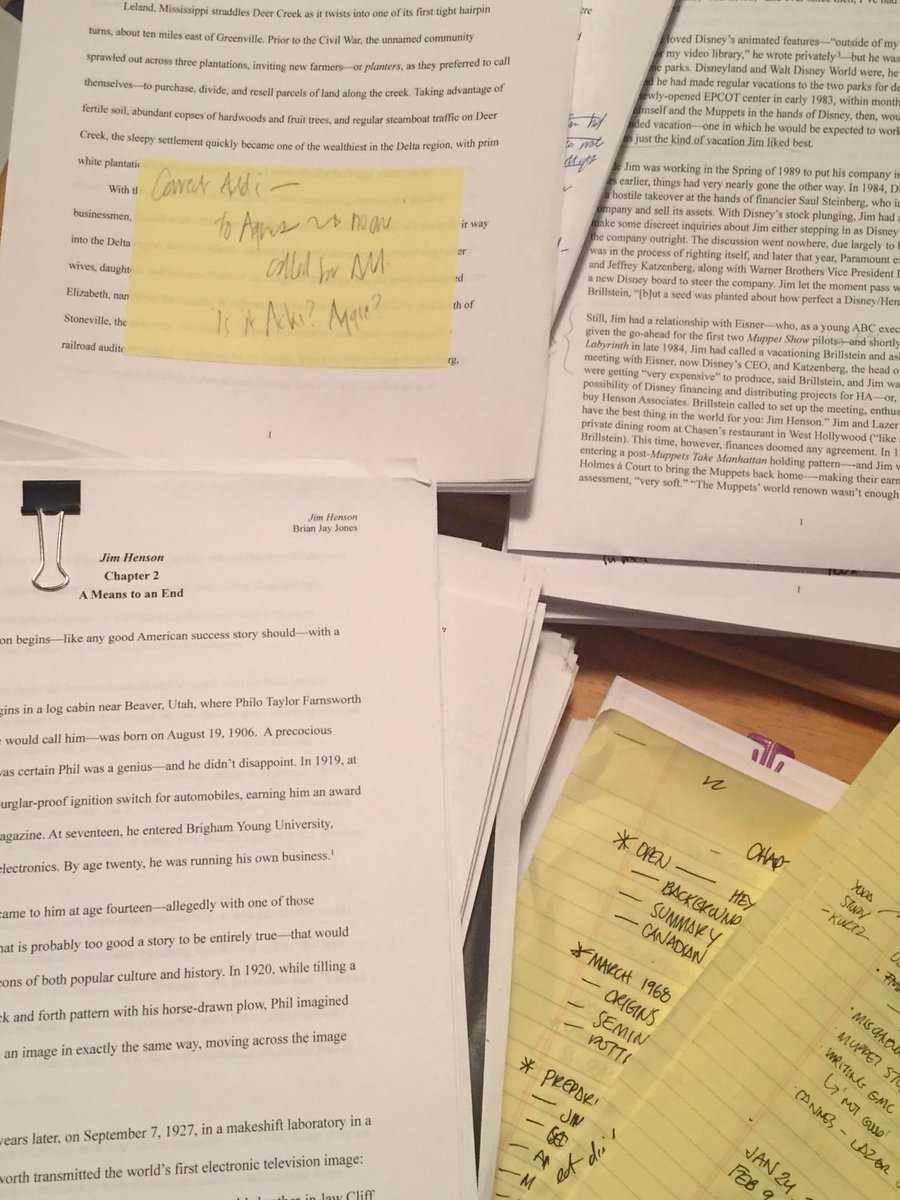
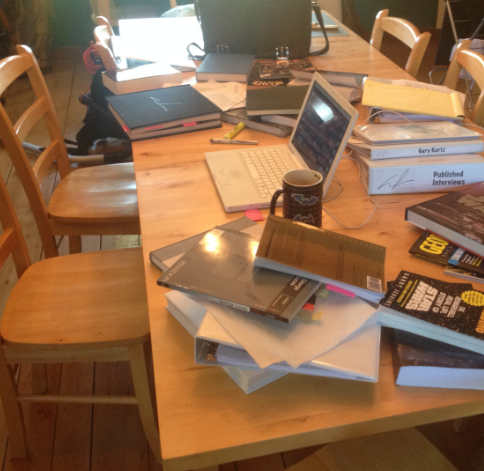
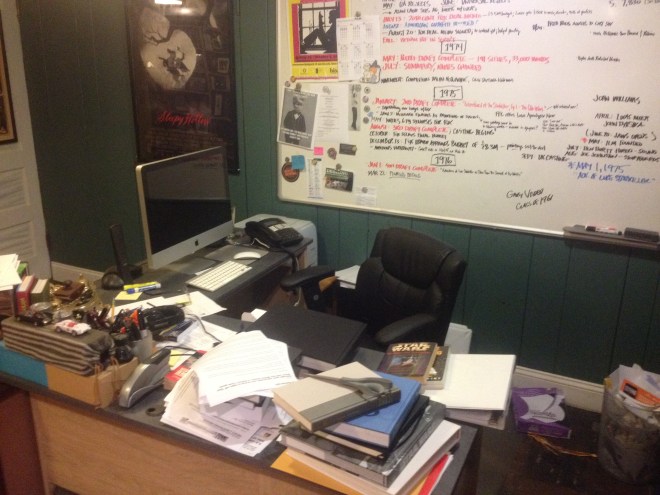 Yup, it’s still a mess.
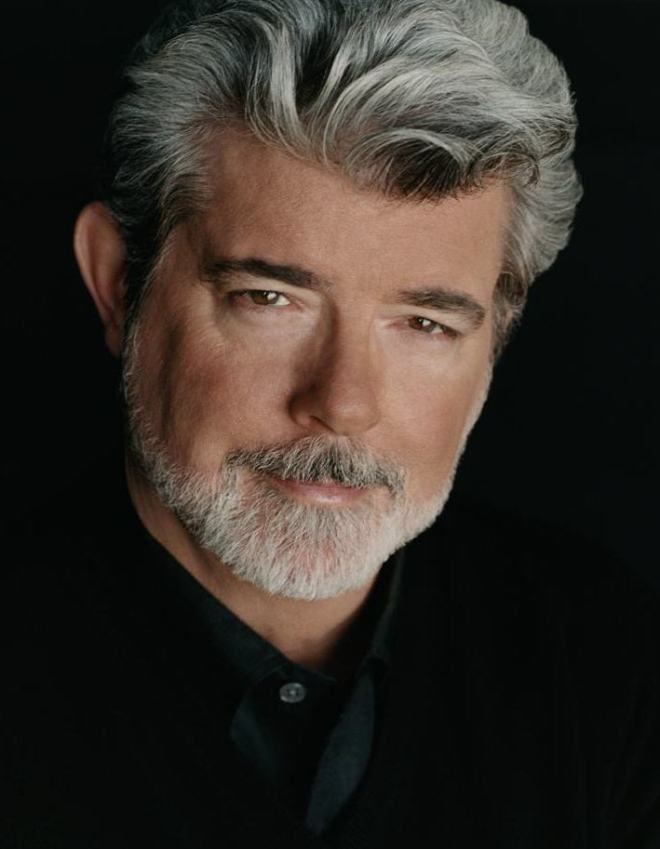
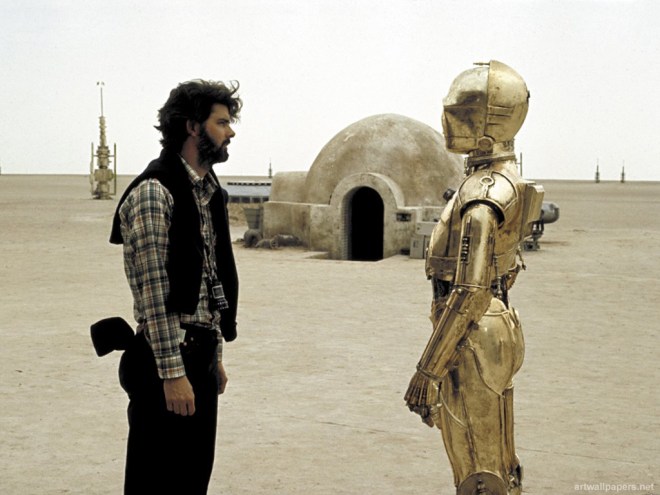 Happy Birthday to George Lucas, who turns 71 years old today. The Force is strong with this one.


 Brian Jay Jones